
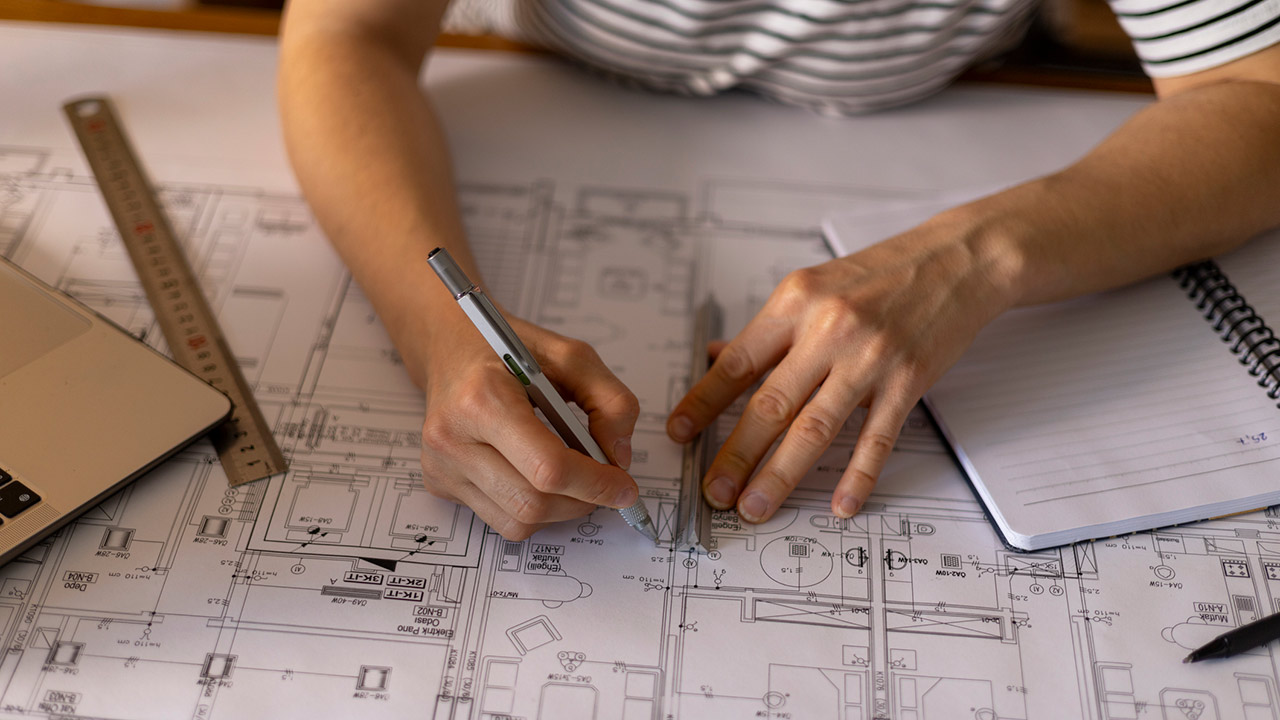
Space Planning Like a Pro: How Smart Layouts Increase Property Value
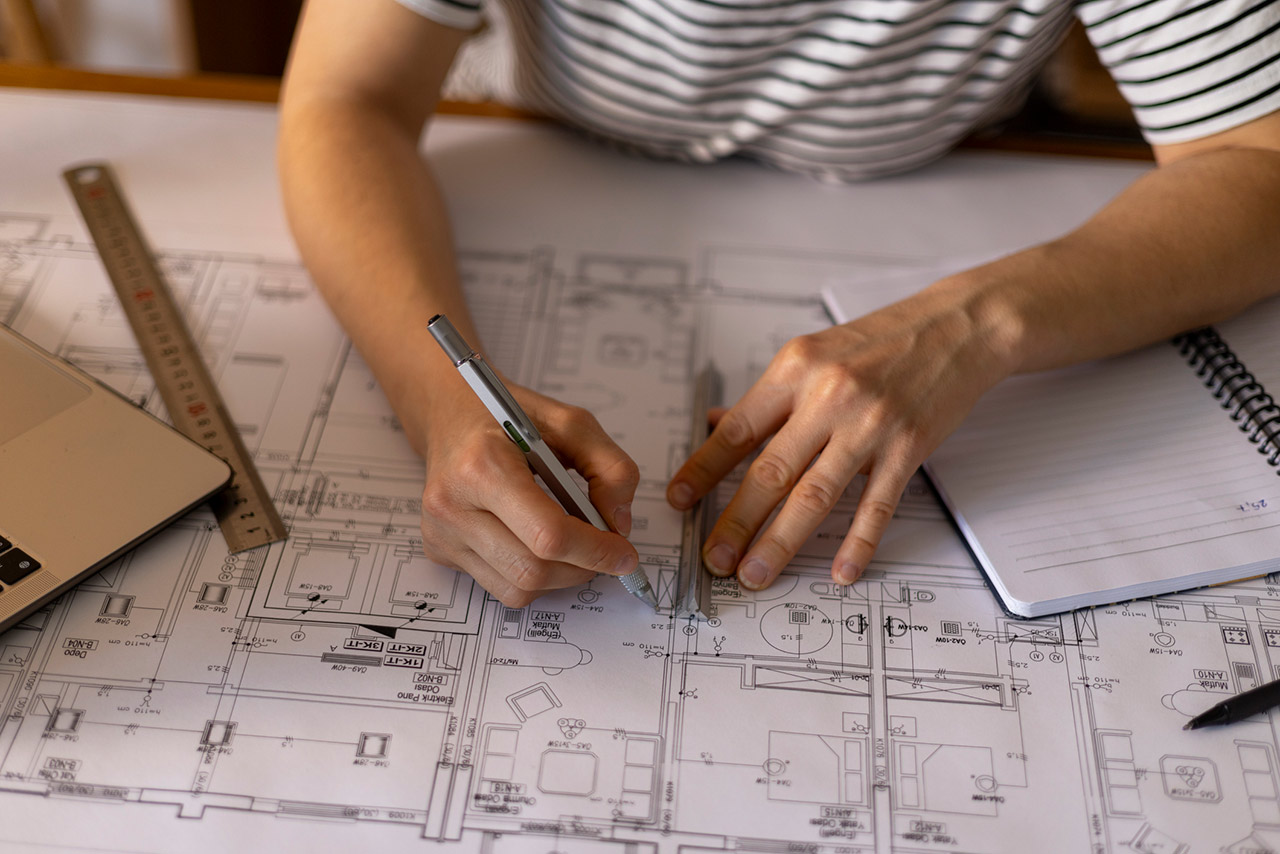
When it comes to real estate, size matters—but layout matters more. Two properties with the same square footage can have vastly different market values depending on how well the space is planned. Smart space planning doesn’t just make a property look better; it improves functionality, enhances lifestyle appeal, and directly impacts resale value.
In today’s competitive real estate market, buyers are no longer impressed by numbers alone. They are buying how a space feels, flows, and functions. That’s where professional space planning becomes a powerful value driver.
What Is Space Planning in Real Estate?
Space planning is the strategic organization of interior areas to maximize usability, comfort, and efficiency. It goes beyond furniture placement or interior design—it considers:
- Traffic flow and circulation
- Functional zoning (living, working, resting)
- Natural light and ventilation
- Storage optimization
- Flexibility for future needs
A well-planned space supports everyday living while subtly guiding how occupants move and interact within the home. Poor space planning, on the other hand, leads to wasted square footage, awkward layouts, and buyer hesitation.
Why Layout Impacts Property Value More Than Size
Buyers don’t mentally calculate square footage when walking through a home—they react emotionally. A smart layout can make a smaller home feel spacious, while a poor layout can make a large property feel cramped.
Well-executed space planning increases property value by:
- Making homes feel larger and more open
- Improving functionality without increasing build costs
- Enhancing buyer perception and emotional connection
- Reducing renovation objections during resale
- Increasing marketability and time-on-market performance
In short, layout efficiency often delivers a higher return on investment than simply adding more square footage.
Key Space Planning Strategies That Add Value
1. Creating Clear Functional Zones
Buyers want spaces that make sense. Clearly defined zones—living, dining, working, and resting—help people immediately understand how they will use the home.
Open-plan layouts work best when they are intentionally zoned, using furniture placement, lighting, or subtle level changes to define areas without walls. This balance between openness and function is highly attractive to modern buyers.
2. Optimizing Flow and Circulation
Good space planning prioritizes movement. Homes with logical circulation feel intuitive and comfortable.
Professional layouts:
- Minimize unnecessary corridors
- Avoid awkward door placements
- Create smooth transitions between rooms
When movement feels natural, buyers subconsciously perceive the home as better designed—and more valuable.
3. Maximizing Natural Light and Views
Light is a major selling point, and smart space planning takes full advantage of it.
High-value layouts:
- Place living areas near windows
- Avoid blocking light with walls or bulky structures
- Align spaces to capture views and daylight
Brighter homes feel healthier, more spacious, and more premium—often commanding higher prices.
4. Designing for Modern Lifestyles
Today’s buyers expect homes to support multiple functions. Space planning must reflect how people actually live.
High-impact features include:
- Home office nooks or flexible workspaces
- Multi-functional rooms (guest room + office)
- Open kitchens connected to social areas
- Storage integrated throughout the home
Flexibility increases appeal to a wider buyer pool, which directly supports higher valuations.
5. Eliminating Wasted Space
Unused corners, oversized hallways, and poorly proportioned rooms silently drain property value.
Professional space planning:
- Converts dead space into storage or functional areas
- Balances room proportions
- Ensures every square foot serves a purpose
Efficient layouts make buyers feel they are getting more for their money—even without increasing size.
Space Planning and Buyer Psychology
Smart layouts influence how buyers emotionally respond to a property. A well-planned home feels:
- Comfortable
- Logical
- Easy to live in
- Ready to move into
This emotional comfort reduces buyer resistance and increases willingness to pay a premium. Properties with strong layouts often receive better offers, sell faster, and face fewer negotiation objections.
Space Planning for Renovations and New Developments
For developers and investors, space planning is one of the most cost-effective value-enhancing tools available.
- In renovations, reconfiguring layouts often delivers better ROI than cosmetic upgrades alone.
- In new developments, thoughtful planning differentiates projects in crowded markets.
Early investment in professional space planning reduces future design changes, improves buyer satisfaction, and strengthens brand reputation.
The Bottom Line: Smart Layouts Are Smart Investments
Space planning is no longer a luxury—it’s a necessity. In a market where buyers are informed and selective, properties must do more than look good; they must work well.
A professionally planned layout:
- Enhances lifestyle appeal
- Maximizes usable space
- Increases perceived and actual value
- Drives stronger resale performance
Whether you’re a homeowner, investor, or developer, investing in smart space planning is one of the most strategic ways to increase property value—without increasing square footage.