The $500 Fix That Could Add Thousands to Your Home’s Value
When homeowners think about increasing their home’s value, they often picture major renovations like kitchen remodels, bathroom upgrades, or room additions. While those projects certainly have their place, they also come with hefty price tags.
The good news? You don’t have to spend tens of thousands of dollars to make a meaningful difference.
Sometimes, the smartest investment is simply making your home look newer, brighter, and better cared for. For around $500—or even less—you can complete several improvements that instantly boost curb appeal, create a stronger first impression, and make buyers feel more confident about your home.
Start at the Front Door
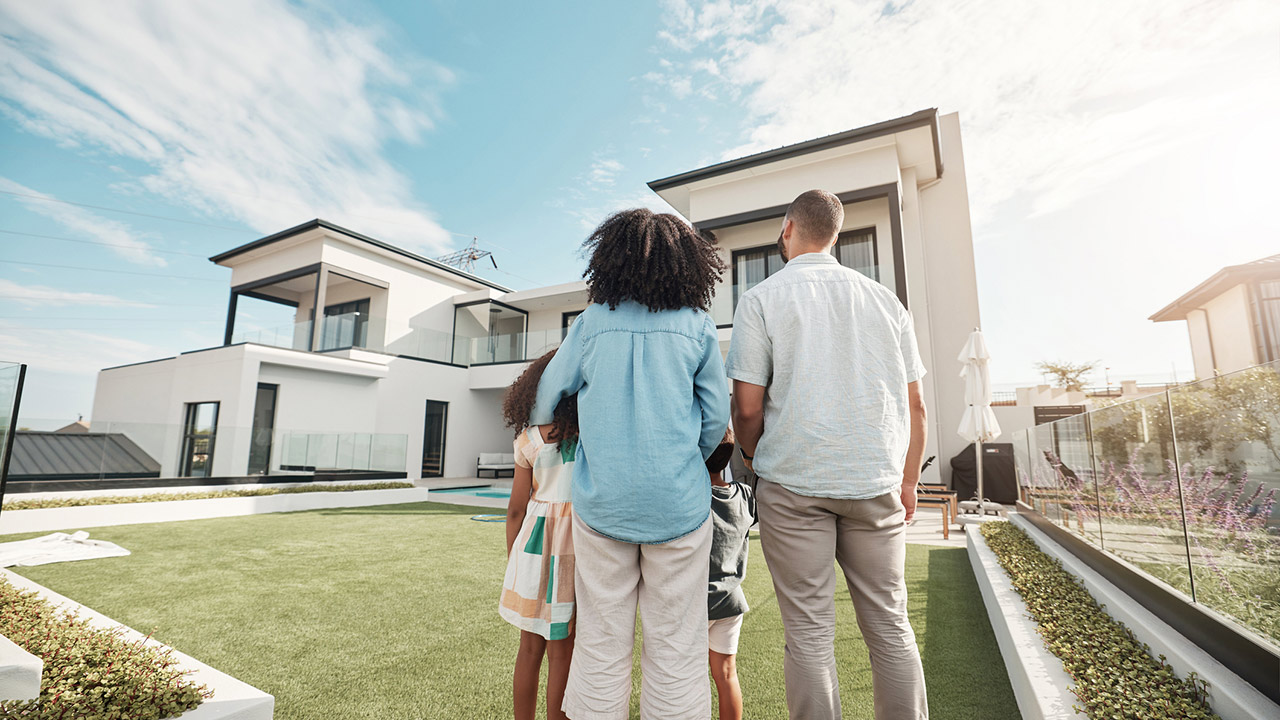
First impressions begin before buyers ever step inside.
A freshly painted front door in a timeless color, a modern house number, updated exterior lighting, and a new welcome mat can completely transform your home’s entrance. Add a pair of potted plants or seasonal flowers, and suddenly your home feels warm, inviting, and well maintained.
These simple upgrades often cost only a few hundred dollars but create an impression that lasts throughout the showing.
Give Your Walls a Fresh Start
Paint remains one of the highest-return improvements any homeowner can make.
Over time, walls collect scuffs, fading, and everyday wear that can make an otherwise beautiful home feel tired. Repainting the main living areas in light, neutral colors instantly brightens the space and helps buyers imagine themselves living there.
Fresh paint also sends a subtle message that the home has been well cared for.
Replace Outdated Hardware
Small details make a surprisingly big difference.
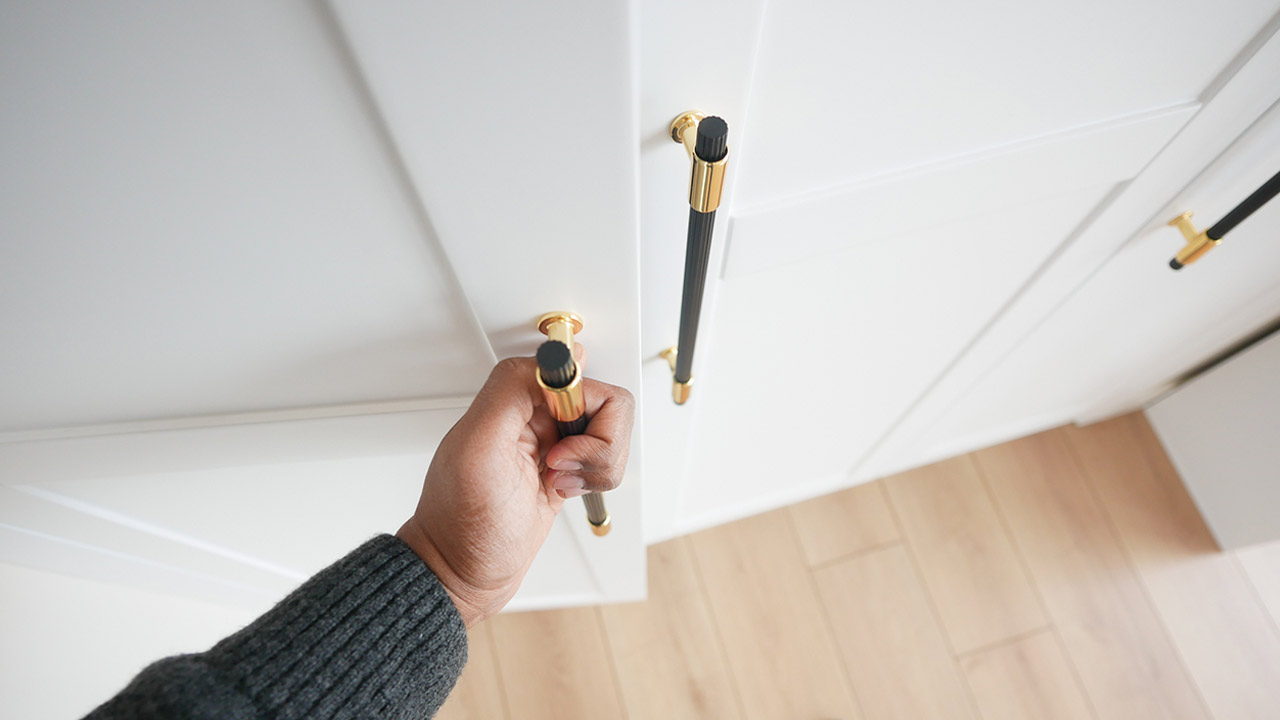
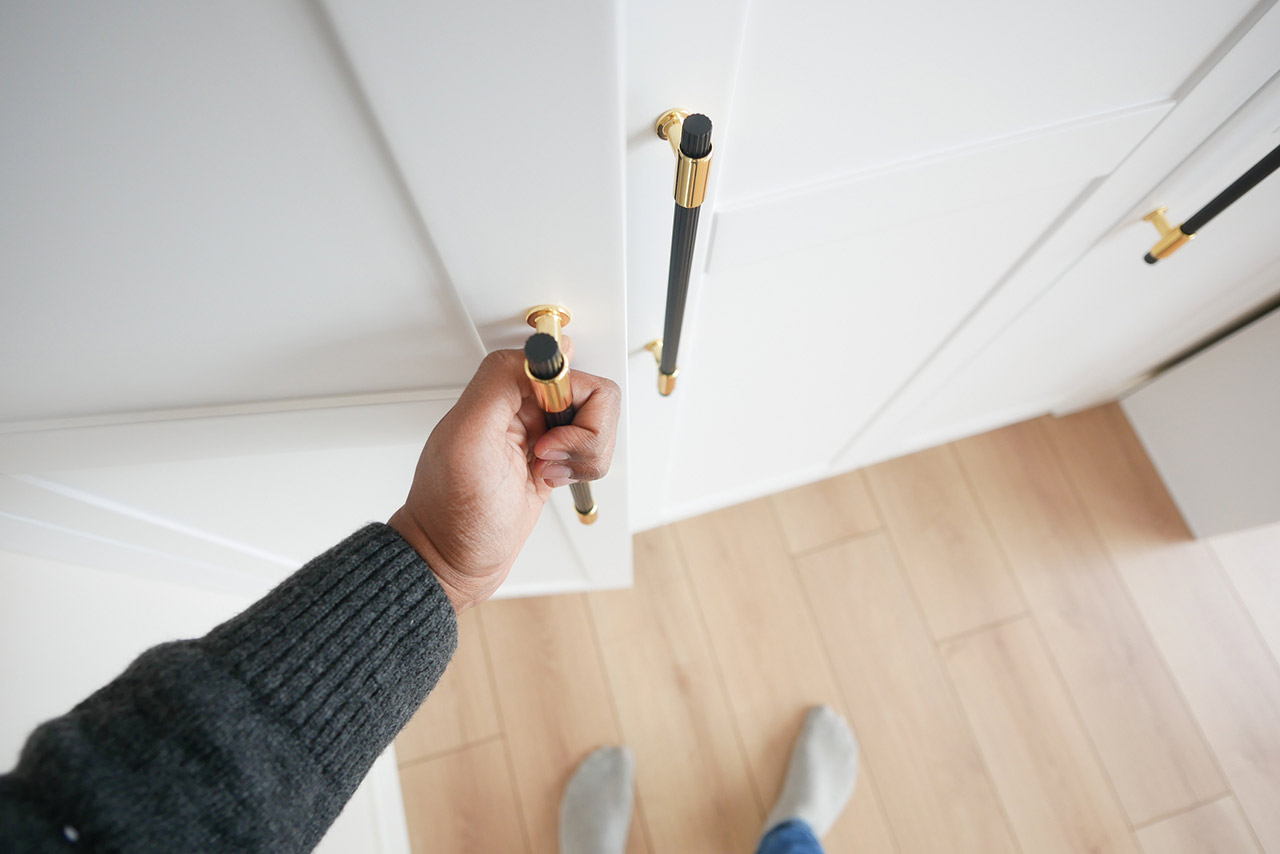
Swapping dated cabinet pulls, drawer handles, faucets, or door hardware with modern finishes like matte black, brushed nickel, or champagne bronze can give kitchens and bathrooms an updated look without replacing cabinets or countertops.
It’s one of the easiest ways to make an older home feel current.
Upgrade Your Lighting
Lighting has a huge influence on how a home feels.
Replacing an aging dining room fixture, installing a stylish entry chandelier, or updating builder-grade bathroom lights can dramatically improve the look of your home.
Warm LED bulbs throughout the house also make rooms feel brighter, larger, and more welcoming while reducing energy costs.
Refresh the Landscaping
You don’t need an elaborate landscape design to impress buyers.
Fresh mulch, trimmed shrubs, colorful flowers, neatly edged walkways, and a healthy lawn instantly communicate pride of ownership. Even spending a Saturday cleaning up overgrown landscaping can significantly improve curb appeal.
Many buyers begin forming opinions before they even park the car.
Deep Clean Like You’re Moving Tomorrow
One of the most valuable “upgrades” costs more in effort than money.
Professionally cleaning carpets, washing windows, scrubbing grout, polishing floors, and removing dust from overlooked areas can make an older home feel newer. A sparkling clean home photographs better, shows better, and leaves buyers with confidence that the property has been properly maintained.
Sometimes cleanliness is more valuable than a renovation.
Focus on What Buyers Notice First
Most buyers don’t walk through a home with a calculator. They walk through with their emotions.
They’re asking themselves questions like:
- Does this home feel cared for?
- Can I picture myself living here?
- Will I have to tackle a long list of projects after moving in?
Small improvements help answer those questions before they’re ever spoken aloud.
Small Investment, Big Return
A $500 budget probably won’t build a new kitchen—but it can create the kind of first impression that helps buyers fall in love with your home.
Whether you’re planning to sell next month or simply want to protect your investment for years to come, focusing on affordable, high-impact updates is one of the smartest moves you can make.
If you’re wondering which improvements will have the biggest impact for your specific home and neighborhood, I’d be happy to help you prioritize projects that maximize your return before you ever put your home on the market.